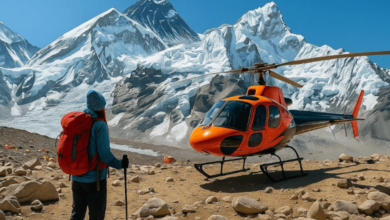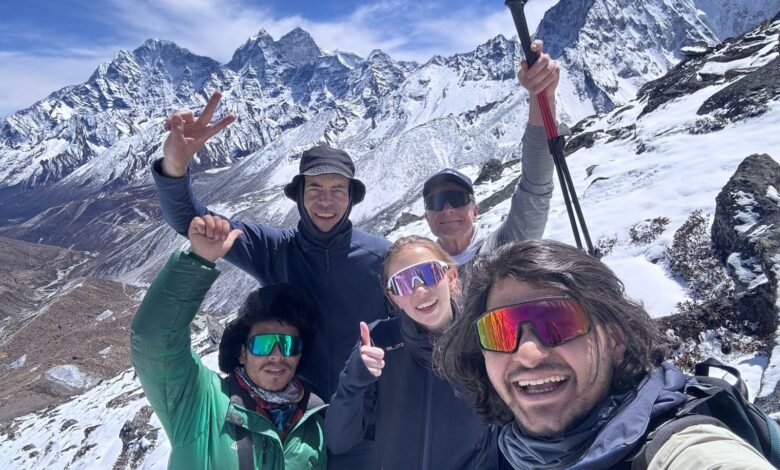
Nepal is home to some of the world’s most spectacular mountain landscapes, attracting thousands of trekking enthusiasts every year. Among its many iconic routes, the Everest Base Camp Trek and the Annapurna Base Camp Trek stand out as two of the most rewarding adventures in the Himalayas. Both treks offer breathtaking scenery, rich cultural experiences, and unforgettable memories, yet each provides a unique journey that appeals to different types of travelers.
Whether you dream of standing beneath the world’s highest mountain or exploring lush valleys surrounded by snow-capped peaks, choosing between these two legendary treks can be challenging. This guide compares their highlights, difficulty levels, scenery, and best seasons to help you select the perfect Himalayan experience.
Everest Base Camp Trek: Journey to the Foot of the World’s Highest Peak
The Everest Base Camp Trek is one of the most famous trekking adventures on the planet. Located in the Khumbu region of Nepal, this trek takes travelers through traditional Sherpa villages, ancient monasteries, suspension bridges, and alpine landscapes before reaching Everest Base Camp at an altitude of 5,364 meters.
The adventure begins with an exciting flight to Lukla, often described as one of the world’s most thrilling airports. From there, trekkers pass through Namche Bazaar, Tengboche, Dingboche, Lobuche, and Gorakshep before finally reaching the legendary base camp.
Throughout the journey, trekkers enjoy magnificent views of Mount Everest, Lhotse, Nuptse, Ama Dablam, and several other Himalayan giants. Every step offers incredible photography opportunities and a deeper appreciation for Nepal’s natural beauty.
Annapurna Base Camp Trek: A Journey into the Heart of the Annapurna Sanctuary
The Annapurna Base Camp Trek is another world-renowned trekking route that combines mountain scenery with diverse landscapes and authentic local culture. Unlike the rugged terrain of Everest, this trek passes through rhododendron forests, terraced farmland, waterfalls, rivers, and charming Gurung and Magar villages.
The trail gradually climbs into the Annapurna Sanctuary, a natural amphitheater surrounded by towering peaks including Annapurna I, Machhapuchhre (Fishtail), Hiunchuli, and Annapurna South.
At an elevation of 4,130 meters, Annapurna Base Camp offers panoramic views that create an unforgettable sunrise experience. The combination of mountain scenery and cultural diversity makes this trek one of Nepal’s most popular adventures.
Comparing the Two Treks
Scenery
The Everest Base Camp Trek offers dramatic alpine landscapes, glaciers, rocky terrain, and views of the world’s tallest mountains. The environment becomes increasingly rugged as trekkers gain altitude.
The Annapurna Base Camp Trek, on the other hand, features remarkable diversity. Trekkers experience subtropical forests, bamboo groves, rivers, waterfalls, traditional villages, and high mountain scenery all within a single journey.
Difficulty Level
The Everest trek is generally considered more challenging due to its higher altitude and longer duration. Reaching over 5,300 meters requires proper acclimatization and physical preparation.
The Annapurna Base Camp Trek reaches a lower altitude and involves less strenuous climbing, making it suitable for beginners with a reasonable level of fitness.
Cultural Experience
The Everest region is home to the Sherpa community, famous for their mountaineering heritage, Buddhist monasteries, colorful prayer flags, and centuries-old traditions.
The Annapurna region offers cultural encounters with Gurung and Magar communities, where visitors can experience local hospitality, traditional architecture, and authentic Nepalese village life.
Best Time for Everest Base Camp Trek and Annapurna Base Camp Trek
Spring (March to May) and autumn (September to November) are considered the best seasons for both treks.
Spring Season
- Comfortable temperatures
- Blooming rhododendron forests
- Clear mountain views
- Longer daylight hours
Autumn Season
- Stable weather conditions
- Excellent visibility
- Crisp mountain air
- Ideal trekking temperatures
Winter trekking is possible but brings colder temperatures and snow, while the monsoon season can create slippery trails and limited visibility.
Accommodation and Food
Both trekking routes offer comfortable teahouses that provide basic lodging and freshly prepared meals.
Popular food options include:
- Dal Bhat (traditional Nepalese meal)
- Fried rice
- Noodles
- Pasta
- Soups
- Pancakes
- Eggs
- Tea and coffee
As altitude increases on the Everest Base Camp Trek, food prices become slightly higher due to transportation costs. Annapurna villages generally offer greater variety and easier accessibility.
Physical Preparation
Preparing for either trek significantly improves the overall experience.
Recommended training includes:
- Regular hiking
- Cardio exercises
- Stair climbing
- Strength training
- Walking with a backpack
- Flexibility exercises
Consistency over several weeks is more effective than intense last-minute training.
Essential Packing List
For both the Everest Base Camp Trek and Annapurna Base Camp Trek, consider packing:
- Waterproof trekking boots
- Warm down jacket
- Thermal clothing
- Hiking pants
- Gloves and hat
- Sleeping bag
- Trekking poles
- Sunglasses
- Sunscreen
- Water bottles
- Headlamp
- Personal first aid kit
- Power bank
Layering clothing is essential because temperatures can change dramatically throughout the day.
See also: Saudi Visa Guidance for Women Traveling From the United States
Altitude Considerations
Altitude sickness is a serious consideration for Himalayan trekking.
To reduce the risk:
- Ascend gradually
- Stay hydrated
- Avoid alcohol
- Eat nutritious meals
- Follow acclimatization schedules
- Listen to your body
The Everest Base Camp Trek has a greater risk of altitude-related issues because it reaches higher elevations than the Annapurna Base Camp Trek.
Why Choose Everest Base Camp Trek?
Choose the Everest Base Camp Trek if you want:
- To stand beneath the world’s highest mountain
- Spectacular glacier landscapes
- A challenging high-altitude adventure
- Authentic Sherpa culture
- A world-famous bucket-list experience
Why Choose Annapurna Base Camp Trek?
Choose the Annapurna Base Camp Trek if you prefer:
- Diverse landscapes and ecosystems
- Moderate trekking difficulty
- Rich cultural experiences
- Beautiful forests and villages
- Incredible mountain panoramas with lower altitude exposure
Conclusion
Both the Everest Base Camp Trek and the Annapurna Base Camp Trek deliver unforgettable Himalayan adventures that showcase the extraordinary beauty of Nepal. The Everest route offers the excitement of reaching the base of the world’s tallest mountain and experiencing legendary Sherpa culture, while the Annapurna route provides remarkable landscape diversity, welcoming villages, and stunning views within the majestic Annapurna Sanctuary.
Whether you choose the iconic Everest Base Camp Trek or the scenic Annapurna Base Camp Trek, you will discover breathtaking mountains, warm local hospitality, and memories that last a lifetime. With proper preparation, the right season, and a spirit of adventure, either trek promises an extraordinary journey through one of the world’s greatest mountain destinations.